PRINCIPIA's Niacinamide serum combines two explicitly quantified ingredients in a facial treatment. Here is what its official product page says about the formula, application order, dropper care and the difference between reported study results and personal expectations.
Identifying the actual serum
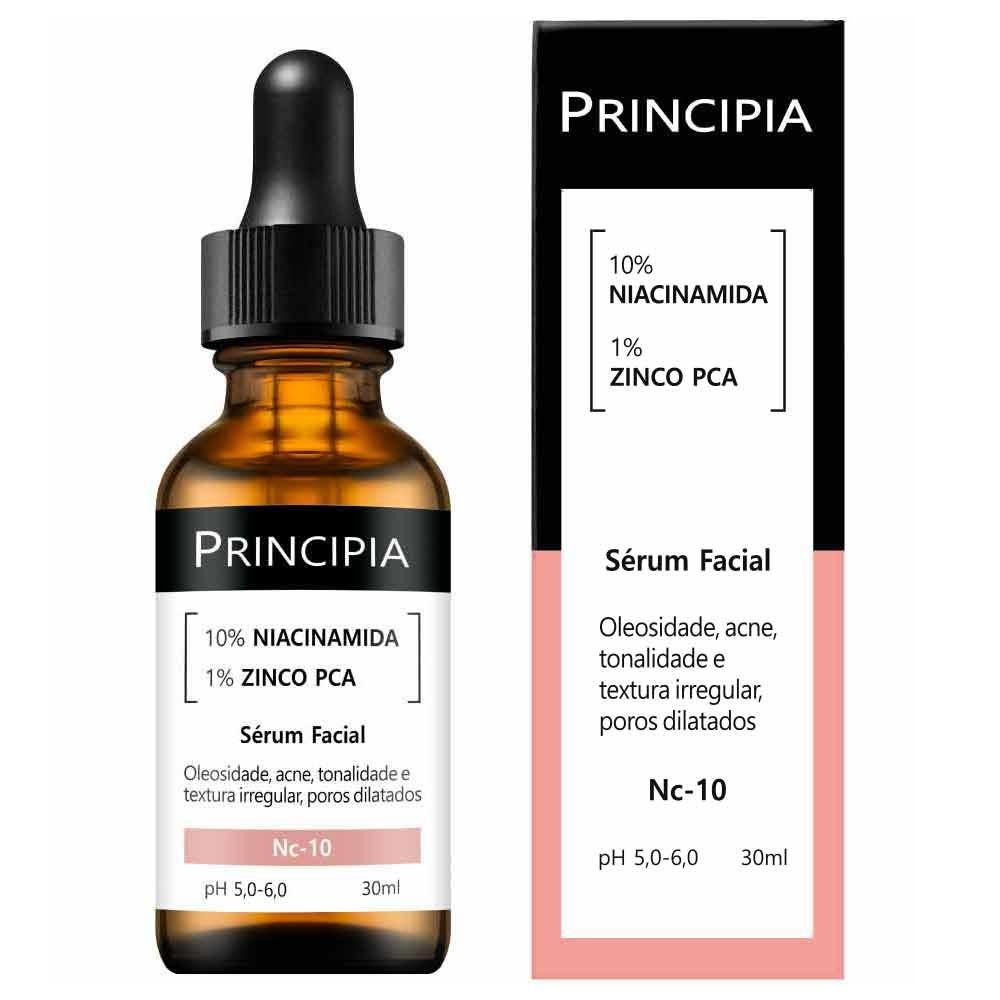
The reference examined is PRINCIPIA NIACINAMIDA, listed under SKU 010501. Its defining specification is 10% niacinamide plus 1% Zinc PCA. Those numbers describe two named components, not the total percentage of active ingredients in every PRINCIPIA serum. The brand also sells hyaluronic acid, mandelic acid and vitamin C products, which are different formulas rather than alternative names for this bottle.
The official page positions this serum around oiliness, uneven-looking pigmentation, blemishes and visible pores. That identifies the manufacturer's intended cosmetic concerns; it is not a diagnosis or a guarantee that a reader will achieve every listed outcome. This introduction concerns the named serum, not an independently tested acne treatment.
What the two percentages tell you
Niacinamide is identified by PRINCIPIA as a stable form of vitamin B3. Zinc PCA is described as a combination of zinc and L-PCA. The second percentage therefore refers to Zinc PCA as named by the manufacturer, not to a separately verified concentration of elemental zinc. Keeping those terms intact avoids a misleading comparison with a product that reports a different zinc compound.
The highlighted ingredients do not establish the complete recipe. This page does not provide enough verified information here to assign concentrations to every other constituent. Equally, the 10% figure does not mean twice the benefit of a 5% product. A meaningful comparison records the ingredient, its stated concentration and the finished product, rather than ranking bottles by one number.
Position in a facial routine
The manufacturer's order is a clean, dry face, followed by the serum before creams, sunscreen and makeup. The instructions describe daily morning and evening application. This is the brand's usage direction, not a requirement to introduce every step at once or to use the serum more often than an individual's current product instructions allow.
The application description uses a few drops rather than a fixed count or measured pump dose. Spread them gently across the face. The page includes the surrounding eye area in its instructions while explicitly warning against contact with the eyes themselves. Those are different locations: the permission to apply nearby is not permission to put a cosmetic into the eye.
Dropper handling and storage
PRINCIPIA asks users not to touch the dropper to the skin. Drops may be dispensed onto the fingers or directly onto the face without making that contact. This is a concrete handling detail worth retaining when comparing a dropper bottle with a pump. The page does not establish how many applications one bottle supplies, so no duration estimate is invented here.
The published precautions include avoiding unprotected sun exposure, keeping the product out of children's reach and storing it in a cool, dry place. Its FAQ gives a shelf life of three years from manufacture. That is not three years from opening; the actual package date and any opening-related instructions remain the reference for the bottle in hand.
Fragrance and the brand's exclusions
The product FAQ states that this formula does not include fragrance, silicones, parabens, petrolatum, sulfates or gluten. These are product-specific statements from PRINCIPIA. They should not be extended to every item sold by the brand, and they do not establish that an ingredient excluded here is harmful in every other cosmetic.
Fragrance-free also does not mean that everybody will tolerate a formula. The relevant comparison is the exact current product and its packaging, particularly if you already know an ingredient you avoid. The brand says it does not conduct animal testing; this article reports that policy without inventing a third-party certification or a certification number.
Reading the published studies correctly
The official page separates perceived efficacy, lesion-count observations and instrument-based measurements. Several results are reported after 60 days; hydration measurements also include a 30-day point. Those different methods and time points must not be combined into a single instant-results promise. This editorial has not repeated those tests or assessed their full protocols independently.
User-perceived changes and instrument readings answer different questions. A percentage of participants agreeing with a statement is not the same as a percentage reduction in a measured parameter. The page also reports dermatological and sensitivity evaluations. Those descriptions concern tested conditions and participants, rather than establishing an unconditional absence of irritation for every future user.
Questions before comparing formulas
Is this a sunscreen? No: the page places sunscreen after the serum and warns against unprotected exposure. Is it simply pure niacinamide? No: the named product also includes Zinc PCA and a finished cosmetic base. Is the three-year shelf life an instruction to keep an opened bottle indefinitely? No: it starts from manufacture and does not replace the package directions.
The useful summary is a specific facial serum with 10% niacinamide and 1% Zinc PCA, applied by drops before cream in the manufacturer's sequence. Compare that identity, handling and fragrance statement before the marketing results. Persistent skin concerns warrant professional advice rather than adding products solely because several ingredient names appear together online.